
11 steps to stick to a diet
Written by Martin Ebner
Updated October 2026
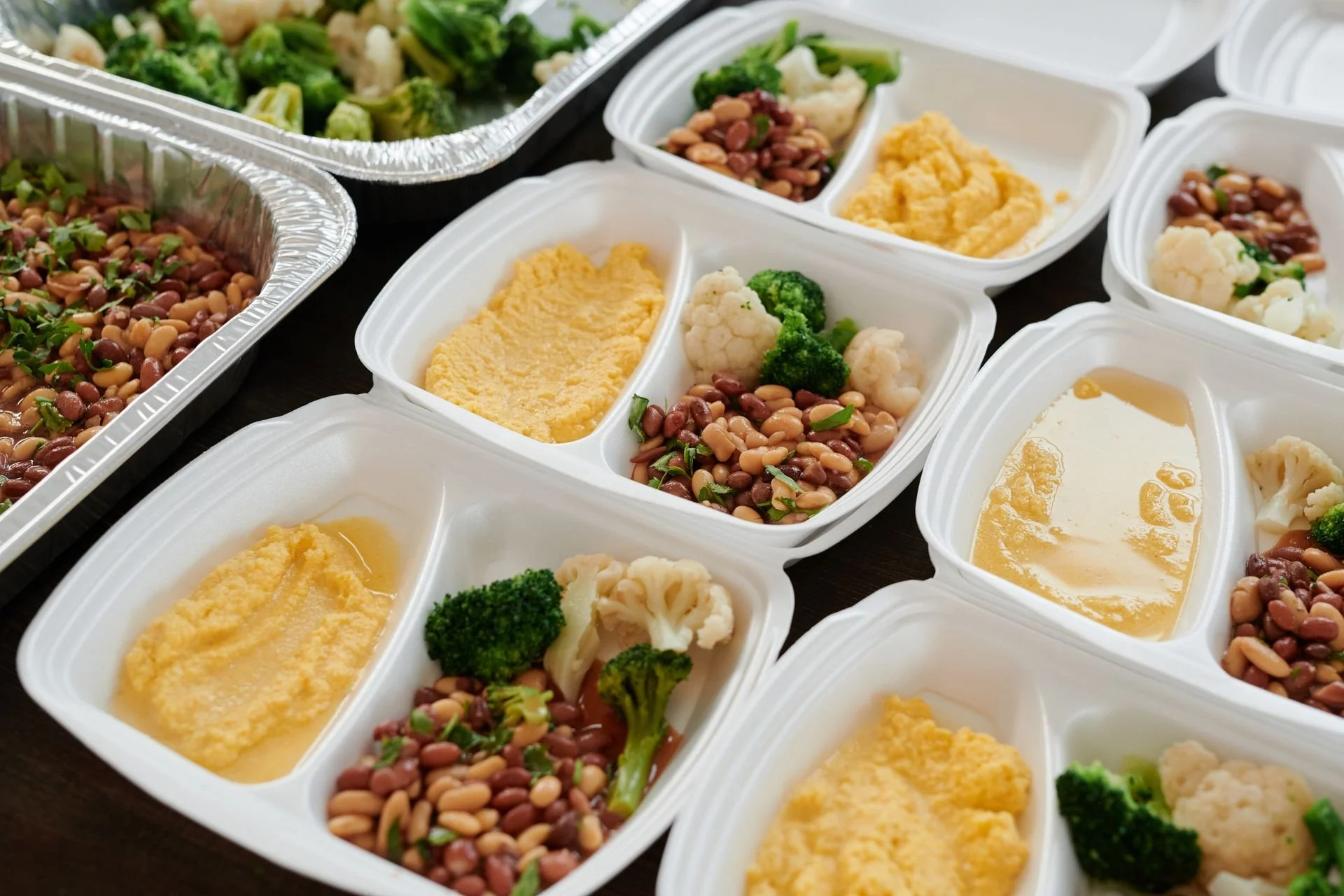
Nobody enjoys dieting. What people enjoy are the results.
Every summer, I do a cut. I’ve been training for 25 years, I understand the process and I know how my body tends to respond. It’s still a challenge. I’m eating less than I’d like, hunger increases and there’s less room for spontaneous meals or half the fridge after a heavy leg session.
What I enjoy is seeing the work pay off.
When summer ends, I move back towards performance in the gym. I want to train harder, recover properly and progress, which requires more fuel. The diet finishes, but I don’t abandon everything that produced the result.
That transition matters. A diet can help you lose weight, but it’s a temporary tool. If it ends and you immediately return to the habits that caused the weight gain, the result will probably be temporary too.
That doesn’t mean you lack willpower. Dieting is difficult because sustained restriction is difficult. The best way to make it manageable is to introduce small, deliberate changes that compound over time, then keep the useful ones when the diet ends.
These 11 steps will help you do that.
1. START WITH ONE DELIBERATE CHANGE
Trying to rebuild your entire diet overnight sounds decisive. It also creates an enormous amount of work.
You replace every meal, remove everything you enjoy, start tracking calories, stop eating out and promise yourself you’ll never look at a biscuit again. It feels brilliant for four days.
Start smaller.
Replace the afternoon pastry with yogurt and fruit. Make breakfast contain a proper amount of protein. Reduce the portion of food you routinely overeat. Walk for twenty minutes after dinner. Have two fewer alcoholic drinks at the weekend.
Choose one change you can repeat without reorganising your entire life. Once it feels normal, add another.
No single adjustment needs to transform you. The value comes from several useful decisions accumulating over weeks and months.
2. KNOW WHAT THE DIET IS FOR
Give the diet a clear purpose and a realistic finish line.
You might want to lose ten pounds, reduce your waist, improve a health marker or feel better in your clothes. Whatever the goal, decide what success looks like and roughly how long you’re prepared to work towards it.
The date can provide focus, but it doesn’t get to overrule biology. You can’t force six months of progress into three weeks because a holiday has appeared in the calendar.
Larger targets need longer timeframes. My guide to losing 50 pounds in six months explains what an ambitious target can involve and why pushing harder isn’t always better.
Knowing where the diet ends also lets you think about what comes next. That part shouldn’t be left until the final day.
3. USE THE SMALLEST DEFICIT THAT PRODUCES RESULTS
Fat loss requires an energy deficit. Over time, you need to use more energy than you consume.
That doesn’t mean creating the largest deficit you can tolerate.
For many adults, reducing average intake by roughly 300 to 500 calories a day is a reasonable starting point. It isn’t a universal prescription. Somebody smaller, more active or already relatively lean may need a different approach.
Calorie calculators can provide an estimate, but they can’t measure your daily movement, appetite, training or metabolism perfectly. Use the number as a starting point and adjust it from the result.
The old claim that every 3,500-calorie deficit automatically produces exactly one pound of weight loss is too simplistic. Your body weight responds dynamically as your size, activity, water, stored carbohydrate and energy expenditure change. Researchers have developed more realistic models of how energy imbalance affects body weight over time.
A more aggressive deficit may produce faster initial weight loss, but it also creates more hunger, fewer calories to build satisfying meals and a greater risk of your training turning to rubbish.
Use the smallest deficit that keeps the trend moving.
4. BUILD MEALS THAT MAKE THE DEFICIT EASIER
The best diet foods are the ones that help you control your intake without leaving you miserable.
Start meals with a proper protein source. Meat, fish, eggs, dairy, tofu, tempeh, beans and protein powder can all contribute. Somewhere around 1.6 grams of protein per kilo of body weight is a useful reference for somebody who strength trains, although you don’t need to hit the number perfectly every day. A large protein meta-analysis found that the average benefit for muscle growth tended to level off around that point.
Add fruit, vegetables, beans, potatoes, oats or whole grains for fibre and food volume. Include some fat for flavour and satisfaction, then use the remaining carbohydrate according to your activity, appetite and preferences.
You don’t need to remove carbohydrates, stop eating after 6 pm or divide your food into six tiny meals. You need a structure that keeps hunger manageable and gives your body enough nutrition to function properly.
This doesn’t make processed food forbidden. It explains why building most meals from minimally processed ingredients can make dieting easier. In a controlled trial, people eating an ultra-processed diet consumed considerably more energy and gained weight compared with when they were given an unprocessed diet.
Food quality helps you control quantity. It doesn’t replace it.
5. CREATE A FEW DEFAULT MEALS
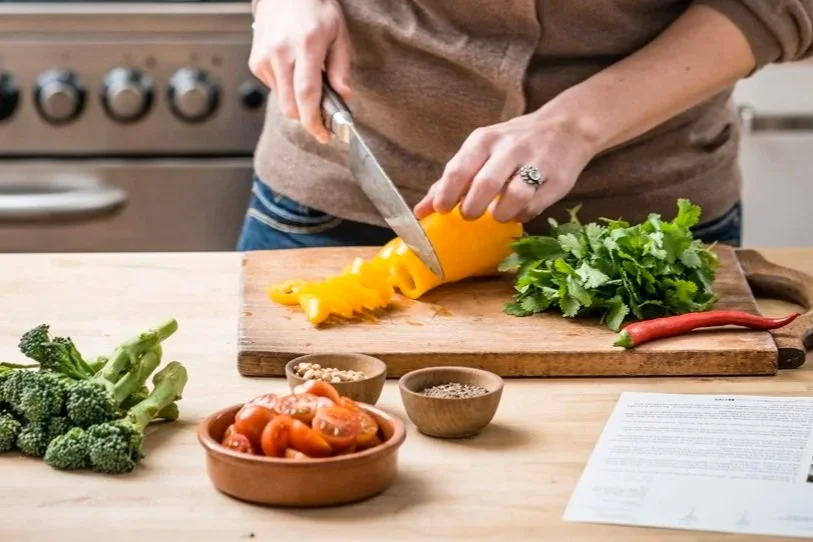
You don’t need a beautiful seven-day meal plan containing 35 different recipes.
You need a few meals you enjoy, can prepare without thinking and know roughly fit the job.
That might be eggs and toast for breakfast, yogurt with fruit and oats, a chicken and rice bowl, a decent sandwich, pasta with lean meat or tofu, or fish with potatoes and vegetables.
Default meals remove decisions when you’re busy or hungry. They also make shopping and tracking much easier because you aren’t rebuilding the entire diet every day.
Cook more than one portion when it suits you, but there’s no requirement to spend Sunday afternoon creating 21 identical containers of chicken, rice and regret. Prepare enough to make the week easier, then get on with your life.
6. MAKE YOUR ENVIRONMENT DO SOME OF THE WORK
Willpower is useful, but arranging your surroundings sensibly is considerably more reliable.
Keep filling, easy food available. Eggs, yogurt, fruit, frozen vegetables, tinned fish, beans, cooked meat and simple carbohydrate options give you something useful to eat when time is short.
You don’t have to throw every treat in the bin. You’re an adult and the food isn’t radioactive. It may still help to keep the things you tend to eat mindlessly out of immediate reach rather than sitting beside you all evening.
Convenience works both ways. If the easiest available meal supports the diet, you need less motivation to choose it.
7. TRACK FOR INFORMATION, NOT PERMISSION
Tracking your food can be extremely useful, particularly when you don’t know where your calories are coming from.
Use an app for a week or two and record what you normally eat. Include drinks, sauces, cooking oils, snacks and the bits you eat while making dinner.
The purpose isn’t to account for every blueberry for the rest of your life. It’s to understand your portions and identify where a small change could have a useful effect.
In a two-year randomised trial, people who remained more consistent with dietary self-monitoring lost more weight, regardless of whether they used paper or technology. Paying attention mattered more than the particular method.
The same applies to body weight. Weigh yourself under similar conditions several times a week and use the weekly average. Water, salt, stored carbohydrate, digestion, training and the menstrual cycle can all move the scale without representing a change in body fat.
The number is information. It isn’t a score for how well you behaved yesterday.
8. KEEP WEEKENDS, RESTAURANTS AND TREATS IN THE PLAN
A diet that only works when you’re at home and in complete control of every ingredient won’t last very long.
If you’re eating out, look at the menu beforehand and choose what you want. Leave some room for it by keeping the rest of the day relatively simple. That doesn’t require starving yourself until dinner and then greeting the bread basket like emergency aid.
The same applies to food you enjoy. A burger, pizza or dessert can fit into a diet. It doesn’t “rev up” your metabolism, but it doesn’t destroy the week either.
I don’t like the idea of a cheat meal. It turns food into a moral decision and often gives one meal far more importance than it deserves. Eat it, enjoy it and return to your normal meals afterwards.
I gave up alcohol ten years ago and I don’t believe drinking offers a physical-health advantage. If you enjoy it and it helps you relax, that’s your decision. If fat loss is the priority, the calories still count, and drinking heavily tends to make every other food decision less impressive.
My article on alcohol and weight gain explains the trade-offs without pretending one glass of wine ruins everything.
9. TRAIN TO KEEP YOUR MUSCLE AND PERFORMANCE
Weight loss shouldn’t be a competition to see how exhausted you can become.
Strength training gives your body a reason to retain muscle while you’re eating fewer calories. It also gives you something more useful to focus on than the scale.
During my summer cut, I continue lifting properly. I may need to manage the volume, accept that progress will slow and recognise that some sessions won’t feel as good as they do when I’m eating for performance. I don’t replace the entire program with circuits and daily HIIT because sweating more doesn’t automatically produce a better result.
Walking is excellent because it increases daily activity without creating much fatigue. Cardio supports your health, fitness and energy expenditure, but it should complement the process rather than flatten you.
Two to four strength sessions each week, plenty of ordinary movement and cardio you can recover from will cover most people very well. My guide to strength training for weight loss explains why lifting matters even when losing fat is the main goal.
10. EXPECT SOME HUNGER, BUT DON’T WORSHIP IT
Dieting usually involves some hunger. There’s less energy coming in, so that isn’t surprising.
Being hungry all day, struggling to concentrate, sleeping badly and thinking about food constantly suggests the plan may be asking too much.
Look at the deficit. Check whether your meals contain enough protein, fibre and food volume. Consider whether you’re barely eating during the day and then trying to survive the evening on willpower.
Meal timing is personal. If a later dinner helps you avoid spending three hours circling the kitchen, eat later. If breakfast controls your appetite, have breakfast. If fewer, larger meals leave you more satisfied, there’s no rule demanding six small ones.
Sleep also changes how difficult the process feels. In a controlled weight-loss trial, people subjected to regular sleep restriction lost a smaller proportion of their weight as fat, despite losing a similar amount of total weight.
You can’t always control your sleep, particularly when work, children or health problems are involved. It still deserves consideration before deciding you need a stricter diet.
11. PLAN WHAT HAPPENS WHEN THE DIET ENDS
This is where many successful diets come unstuck.
You reach the target, declare the diet finished and immediately return to eating the way you did before it began. If that previous intake caused gradual weight gain, it’ll probably do the same thing again.
If the diet ends with you climbing head-first into a tub of Häagen-Dazs, it was either too restrictive or there was no plan for what came next.
When my summer cut finishes, I increase my food because my goal changes. I’m moving back into performance mode, training harder and trying to progress. More food supports that work.
I don’t abandon protein, stop paying attention to portions or turn every evening into a celebration of no longer dieting. I keep the habits that remain useful and add enough food to support the new goal.
Your maintenance phase might mean slightly larger meals, more carbohydrate around training, extra flexibility at weekends or simply no longer pushing for further weight loss. Increase gradually, watch the trend and give your body time to settle.
The diet is temporary. The habits that protect the result shouldn’t be.
WHAT ABOUT WEIGHT LOSS DRUGS?
Medications such as semaglutide and tirzepatide have changed weight-loss treatment because they can produce substantial results for suitable patients, largely by reducing appetite and making a calorie deficit easier to maintain.
They aren’t cheating, and taking them isn’t evidence that somebody has failed at dieting. Obesity is a chronic medical condition, not a character flaw.
They’re also prescription medications with side effects, eligibility criteria and longer-term considerations. They should be prescribed and monitored by a qualified medical professional, not bought from whichever social-media account appears most convincing.
It’s important to discuss what happens if treatment stops. Participants in a semaglutide trial extension regained much of their lost weight after the medication was withdrawn. A randomised tirzepatide withdrawal trial found substantial regain among participants switched to a placebo, while continued treatment maintained or extended the weight reduction.
That doesn’t make the medications ineffective. It means anybody considering them deserves an honest conversation about ongoing treatment, side effects, cost, nutrition, strength training and the longer-term plan.
MAKE THE RESULT WORTH KEEPING
Dieting is tough, even when you know what you’re doing.
You don’t need to pretend you’re enjoying every smaller portion or convince yourself that hunger is character-building. You need the process to be manageable enough that you can continue, and useful enough that the result feels worth the effort.
Start with one deliberate change. Let it become normal, then add another. Create a modest calorie deficit, keep lifting, eat enough protein, make useful food convenient and leave room for normal life.
When the diet ends, keep the habits that earned their place.
If you live in Barcelona and want help applying this to your own routine, you can read about my approach to weight loss coaching.
If you’ve ever finished a diet, celebrated with enough food to frighten a Labrador and wondered why maintaining the result feels harder than losing it, Check It Oot is where I write about training, nutrition and keeping the results you worked for. One email once or twice a month, written by me and delivered straight to your inbox.