15 superfoods you should be eating!
Written by Martin Ebner,
Last updated October 2026

The best foods are rarely the ones shouting loudest from the packet. They’re the ones you recognise, enjoy and can keep eating without needing a pronunciation guide or a small bank loan.
I’m happy to use the word “superfood” because it points us towards foods with plenty to offer. It just isn’t a scientific category, and no single ingredient can rescue an unbalanced diet. The useful bit is eating a good mixture of protein, fruit, vegetables, whole grains, healthy fats and fibre often enough for it to matter.
A recent umbrella review of food groups and long-term health found the strongest evidence around familiar foods such as whole grains, fruit, vegetables, nuts, legumes and fish. The foods doing most of the work are widely available and probably already familiar.
Here are 15 foods worth making room for.
WHAT A SUPERFOOD CAN AND CAN’T DO
A superfood can give you plenty of useful nutrients in a convenient package. It can make a meal more filling, add protein or fibre and help you build a more varied diet.
What it can’t do is make up for the rest of your diet or guarantee good health. Packaging often gives one ingredient or claim far more importance than it deserves, which is why it helps to know how to read food labels properly.
The World Health Organization’s healthy-diet guidance comes back to four principles: adequacy, balance, moderation and diversity. That isn’t as exciting as discovering a miracle berry, but it’s far more useful.
15 SUPERFOODS WORTH EATING MORE OF
1. GREEK YOGURT
Greek yogurt is one of the easiest ways to add protein to breakfast or a snack. It also provides calcium and, when it contains live cultures, the bacteria used to ferment the milk.
Not every tub is equal. Some Greek-style yogurts are closer to dessert, while others provide a decent amount of protein without much added sugar. Check the amount you’ll eat rather than trusting the enormous HIGH PROTEIN badge on the front.
I usually add fruit, oats or a little honey. Full-fat and lower-fat versions can both work. Choose the one that suits your appetite and the rest of your diet.
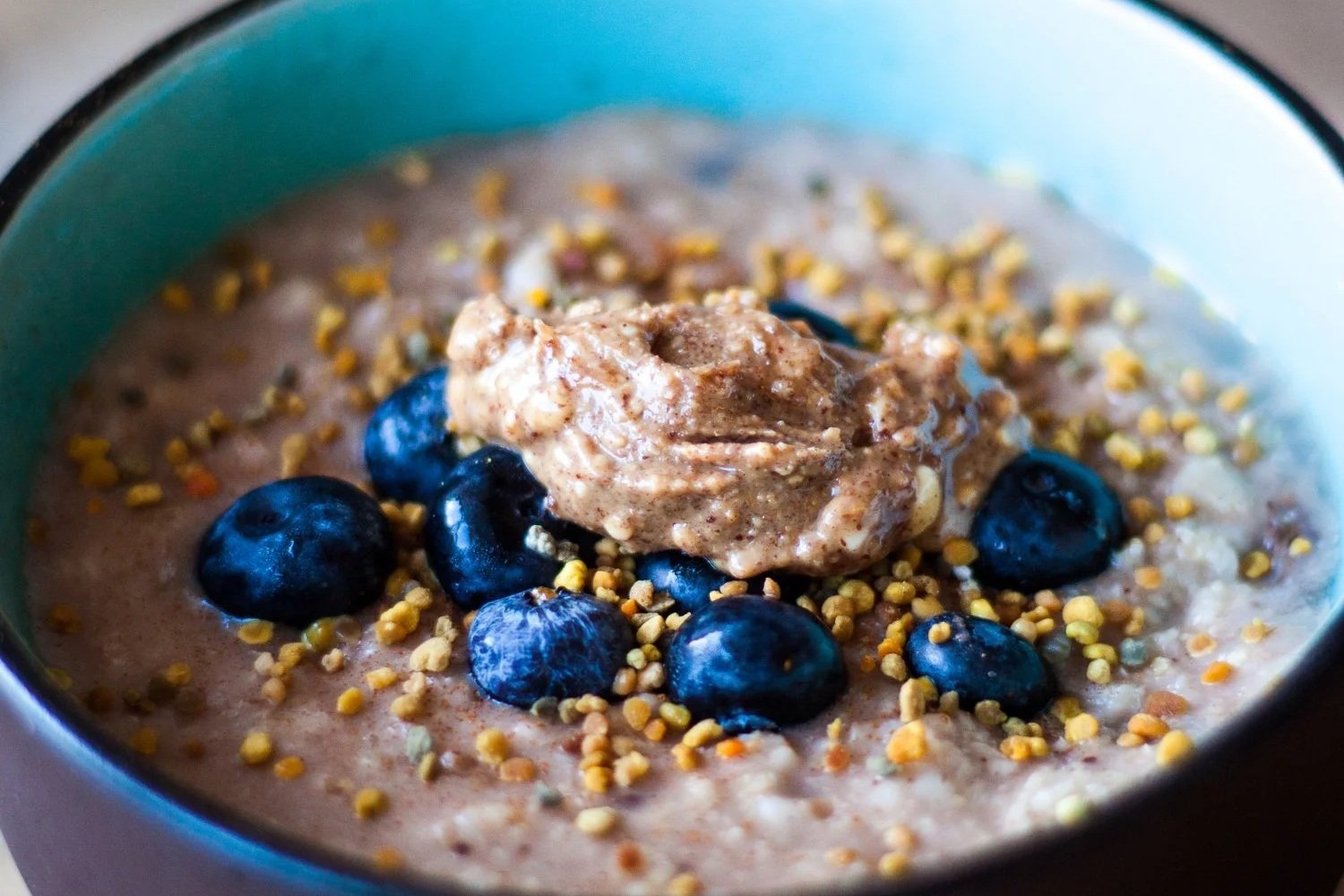
2. OATS
I’m Scottish, so oats were always getting onto this list.
They’re affordable, filling and useful whether you prefer hot porridge, overnight oats or a handful blended into a shake. They also contain beta-glucan, a soluble fibre linked with lower LDL cholesterol when enough is eaten regularly. That relationship is supported by randomised-trial evidence on oat beta-glucan.
Top them with Greek yogurt, fruit and a few nuts and you’ve built a proper breakfast without turning the kitchen into a laboratory.
3. BROCCOLI
Broccoli appears on almost every healthy-food list for good reason. It provides fibre, vitamin C, folate and vitamin K, and it’s easy to add to a much larger meal.
You don’t need to eat it plain and joyless. Roast it, stir-fry it or add it to pasta, curry or whatever else you’re cooking. Boiling it until it turns grey is one option, but I wouldn’t recommend it if you’d like to enjoy your dinner.
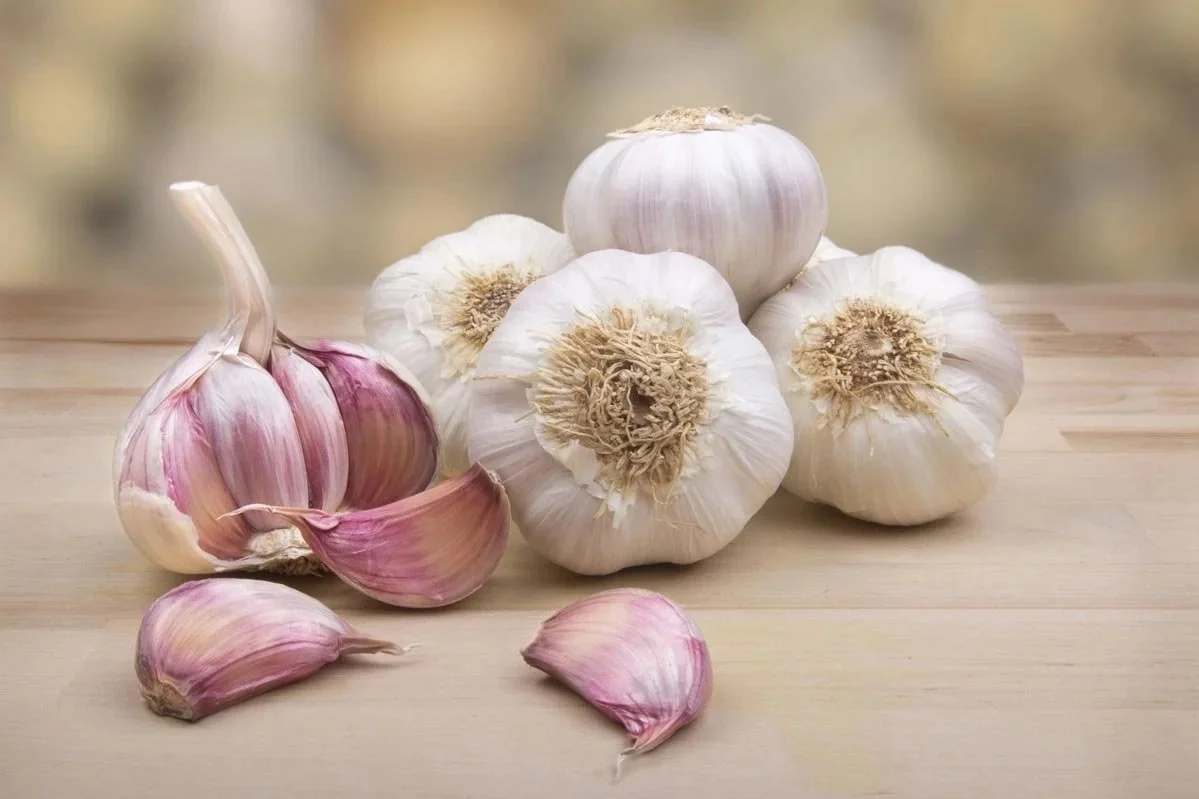
4. GARLIC
Garlic earns its place because it makes other nutritious foods taste better. Vegetables, beans, meat, fish and tomato sauces all benefit from it, which is more useful than pretending one clove is going to function as medicine.
There’s interesting research around garlic and cardiovascular health, but the effects depend on the amount, preparation and wider diet. I mainly use it because food should taste good. If garlic helps you eat more vegetables, that’s already doing something worthwhile.
5. SALMON AND OTHER OILY FISH
Salmon gives you high-quality protein alongside EPA and DHA, the long-chain omega-3 fats most commonly associated with oily fish. Sardines, mackerel and trout can do a similar job, often for less money.
The NIH guide to omega-3 fats explains where the different forms come from. If oily fish rarely appears in your diet, I’ve also reviewed Performance Lab Omega-3 separately.
Salmon is fairly calorie dense compared with white fish, but that doesn’t make it a poor choice. It means the portion still matters, as it does with everything else.
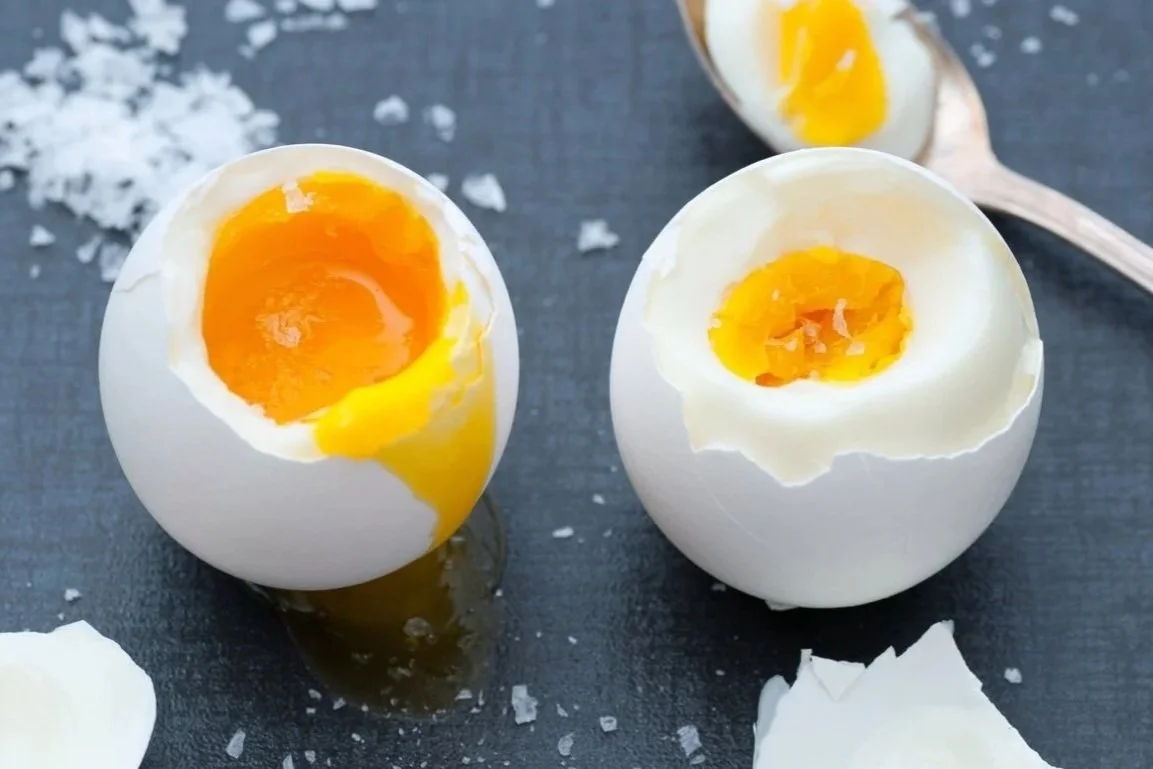
6. EGGS
Eggs are cheap, versatile and packed with useful nutrition. They provide complete protein, B vitamins, selenium and choline without asking much from your cooking ability.
The yolk contains many of the nutrients, so I wouldn’t automatically throw it away. Omelettes, scrambled eggs and eggs on toast can all make a solid meal when you add some vegetables, fruit or another source of fibre.
They’re also one of the few foods that work equally well when you’ve planned a lovely breakfast or opened the fridge with absolutely no idea what to make.
7. BEANS AND LENTILS
Beans and lentils give you protein and fibre together, they’re inexpensive and they keep well in the cupboard. That combination makes them useful for appetite, digestion and building meals that don’t rely on meat every time.
Add them to chilli, soup, curry, salads or tomato sauces. Tinned versions are completely fine. Rinse them if you’d like to reduce some of the salt.
They’re especially useful for anyone eating less meat. My guide to plant-based protein sources covers how to make the wider protein intake work.
8. COCOA
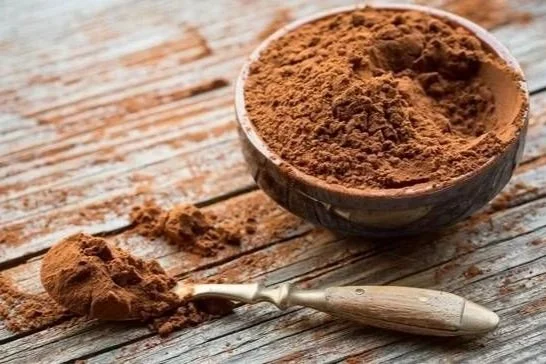
Unsweetened cocoa powder provides polyphenols and a serious amount of chocolate flavour for relatively few calories. Add it to oats, yogurt or a smoothie and it can make an ordinary breakfast far more interesting.
Cocoa and a chocolate bar aren’t nutritionally identical. Once plenty of sugar and fat are added, you have a different food. That doesn’t mean you can’t enjoy it. It means a brownie remains a brownie, even when the packet mentions antioxidants.
9. BERRIES
Berries give you fibre, vitamin C and a broad range of colourful plant compounds. Blueberries, raspberries, strawberries and blackberries are all useful. You don’t need to crown a winner.
Frozen berries count too. They’re often cheaper, last longer and won’t collapse into a furry mess three days after you bought them. Add them to yogurt, oats or smoothies, or eat them with whatever else happens to be in the bowl.
10. TOMATOES
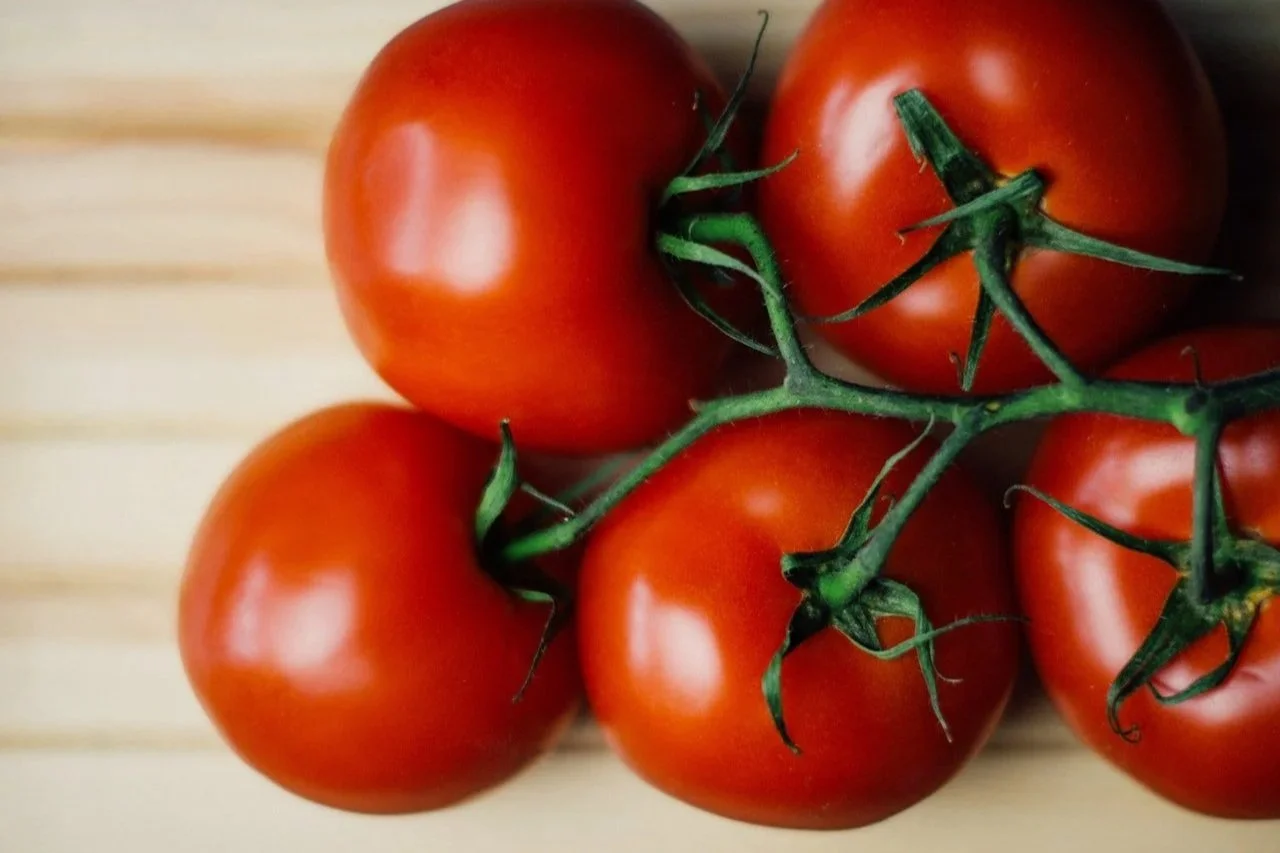
Living in Spain makes tomatoes an easy inclusion. They provide vitamin C, potassium and lycopene, and they work in everything from salads to pasta sauce.
Fresh, chopped and tinned tomatoes all have a place. Cooking changes how some of their nutrients are absorbed, so a tomato sauce made with olive oil isn’t a nutritional compromise. It’s also considerably easier to enjoy than treating a raw tomato like compulsory homework.
11. SPINACH AND OTHER LEAFY GREENS
Spinach provides folate, vitamin K and a collection of other vitamins and minerals for very few calories. More importantly, it’s easy to throw into eggs, pasta, curry, soup or a sandwich without redesigning the entire meal.
It doesn’t have to be spinach every time. Rocket, chard, kale and other leafy greens all bring something slightly different. Rotating them is more useful than arguing over which leaf deserves the superfood crown.
12. GINGER
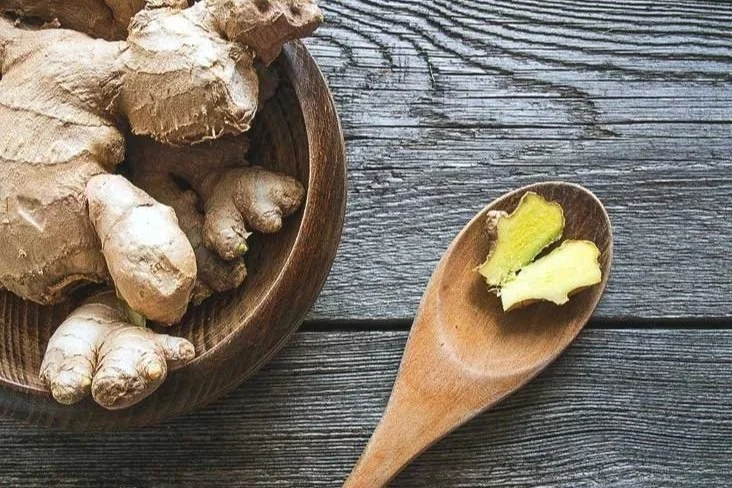
Ginger brings an enormous amount of flavour to curries, stir-fries, soups and drinks. It has also been studied for nausea and digestive symptoms, although that doesn’t make every ginger product medicinal.
Fresh ginger, dried ginger and ginger tea can all be useful. A ginger biscuit is still a biscuit, which may be exactly what you wanted. The ingredient doesn’t need to transform the entire food for you to enjoy it.
13. ALMONDS AND OTHER NUTS
Almonds provide fibre, unsaturated fats, magnesium and some protein. Walnuts, pistachios, peanuts and mixed nuts are excellent choices too, so buy the ones you enjoy and can afford.
Nuts are energy dense. That makes them useful when you need more calories and easy to underestimate when you don’t. A handful works well as a snack or added to yogurt and oats. Pouring directly from the bag can become a considerably larger meal than expected.
14. APPLES
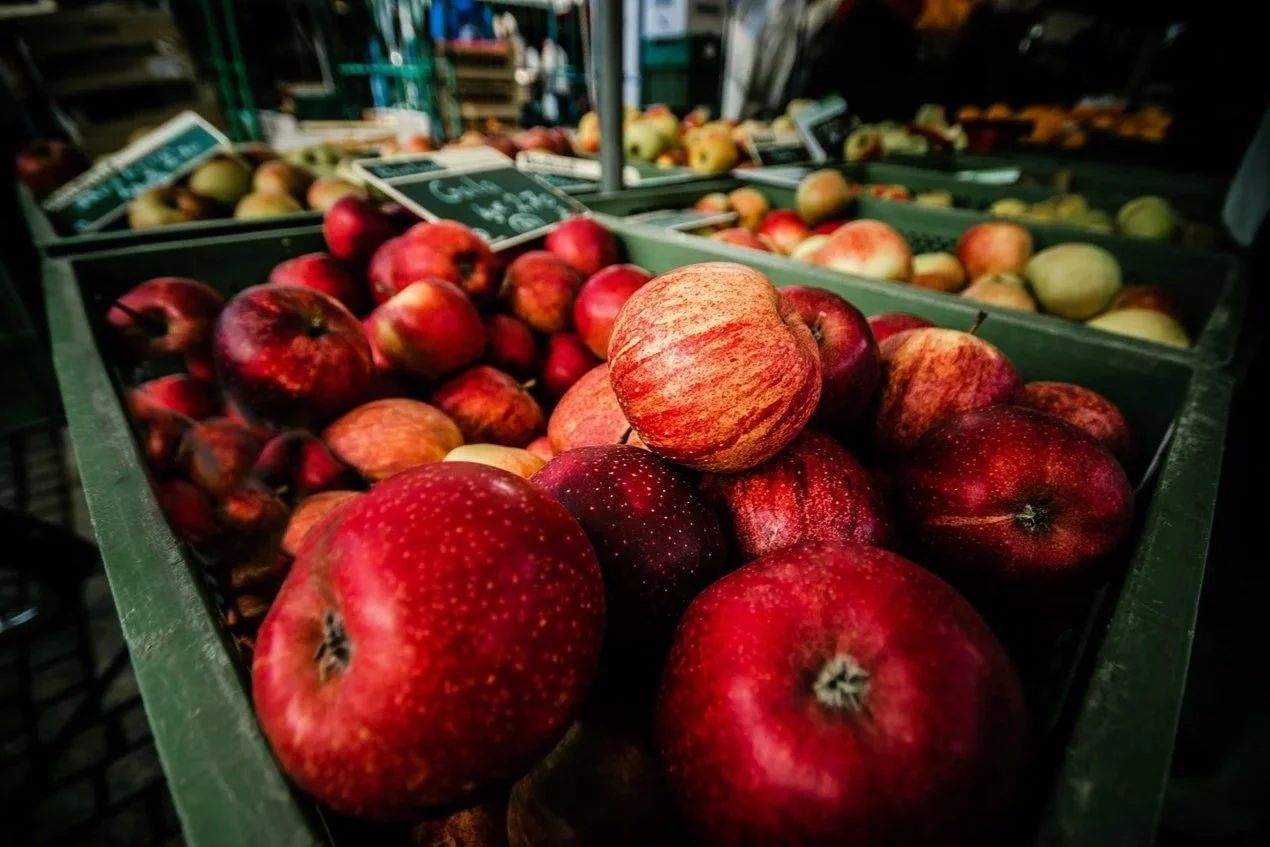
The apple has never needed a wellness rebrand. It’s affordable, travels well, contains fibre and requires no preparation beyond giving it a wash.
Berries and exotic fruits may attract more attention, but an apple you’ll eat is more useful than an expensive packet of something sitting untouched at the back of the cupboard. Pair it with yogurt, cheese or nuts if you’d like a more filling snack.
15. CHIA AND FLAX SEEDS
Chia and flax seeds add fibre, minerals and plant-based omega-3 fats to meals without changing much else. A spoonful works well in oats, yogurt or a smoothie.
They’re nutritious, but more isn’t automatically better. Large amounts of dry seeds with very little fluid can be unpleasant, and they still contain calories. Ground flax is easier for the body to digest, while chia absorbs liquid and changes the texture of whatever you add it to.
Useful ingredients, yes. Ancient fuel with mystical powers, no.
HOW I’D USE THIS LIST
I wouldn’t buy all 15 foods and attempt to force them into every day. I’d choose the ones I enjoy and use them to make the meals I already eat better.
That might mean oats, yogurt and berries at breakfast, eggs or beans at lunch, then salmon with vegetables in the evening. The following day can look completely different. Balance comes from the overall pattern, not from fitting every vitamin and mineral onto one plate.
Plenty of excellent foods aren’t on this list. Potatoes, olive oil, wholegrain bread, lean meat, other fruits and dozens of vegetables can all belong in a strong diet. Fifteen is the title, not the limit.
THE PATTERN DOES THE HEAVY LIFTING
No food deserves a halo, and no enjoyable meal ruins an otherwise balanced diet. I’ve always preferred a simple rule: fuel first, pleasure second. Most of what you eat should help you feel, train and live well. Some of it can be there because it tastes brilliant.
Build most meals around a useful protein source, add fruit or vegetables, include enough carbohydrates and fats for your needs, then vary the foods over the week. That will take you much further than chasing whichever powder has been declared miraculous this month.
If you’ve ever wondered whether breakfast needs chia seeds, cocoa nibs and a €14 bag of green powder before it counts as healthy, Check It Oot is where I separate useful nutrition from the stuff designed to empty your wallet. One email once or twice a month, written by me, straight to your inbox.