
Functional strength training in Barcelona
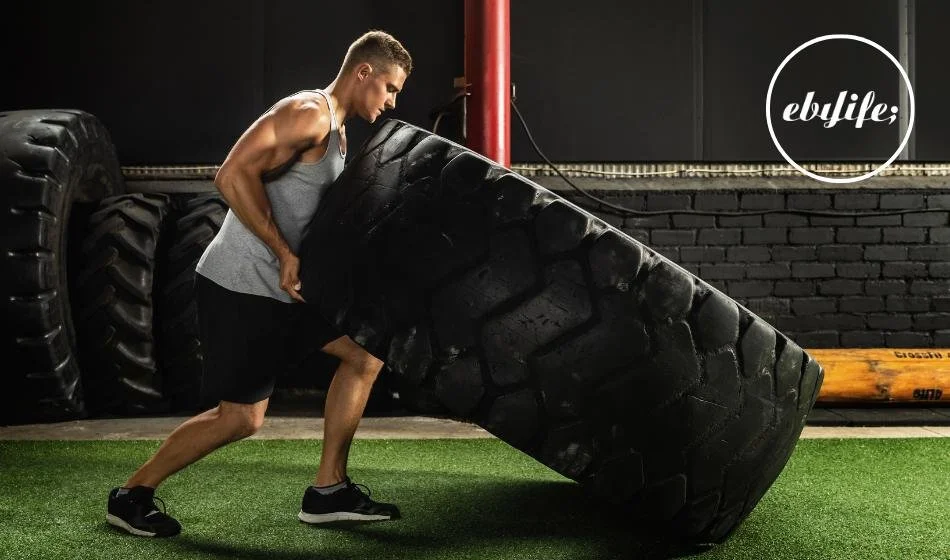
Functional strength training is a workout approach that uses compound movements that mimic everyday activities like squatting, pushing, pulling and lifting. The goal is to build practical everyday strength, improve balance, and reduce injury risk. Unlike traditional strength training which often targets specific muscles for growth, functional training engages multiple muscle groups simultaneously, helping you move through daily life with greater ease, confidence, and resilience.
Functional vs traditional strength training: what's the difference?

Both functional and traditional strength training build muscle and improve fitness, but they generally take slightly different approaches. Understanding these differences will help you choose the right method for your goals - whether that's building a physique, improving sports performance, or simply moving better and feeling great in everyday life.
What are the benefits of functional strength training?

Functional strength training delivers benefits that extend far beyond the gym. While you'll certainly build muscle and get stronger, the real value lies in how these exercises improve your quality of life - from carrying your shopping backs effortlessly to playing with your kids without running out of breath. Here are some of the key benefits:
How does functional training improve daily Life?
Enhanced performance and real-life application: Functional exercises mimic everyday tasks, making it easier and safer to perform daily activities such as lifting, bending, and reaching.
Does functional training improve balance and coordination?
Core stability: Many functional strength exercises engage the core, improving posture and stability whilst reducing pain.
Better balance: Exercises like step-back lunges and pistol squats enhance balance which can reduce the risk of falls and injuries. This becomes increasingly important as we age.
How does functional training build strength?
Building muscle strength: Functional exercises build strength that applies to daily life, helping you to lift and carry objects more easily.
Endurance benefits: These exercises also improve muscular endurance, allowing you to perform activities for longer periods without fatigue.
Can functional training prevent injuries?
Strengthening muscles and joints: Functional strength training strengthens the muscles and joints and increases the range of motion. By improving overall body mechanics, functional training helps prevent common injuries related to poor movement patterns.
What are main functional movement patterns?
Teaching efficient movements: Functional training teaches your body to move more efficiently, improving overall movement quality.
Importance of proper patterns: Proper movement patterns help to prevent overuse injuries and ensure that you can perform tasks with ease and confidence.
Strength training, including functional exercises, offers numerous benefits, especially for women. Discover more about why Women Should Lift Weights and how it can significantly improve your health and fitness.
When combined, these benefits create a comprehensive approach to fitness that serves you both during your workouts and in your daily life. Whether you're a busy professional, a parent or an athlete, functional strength training adapts to your lifestyle and goals.
How do i start functional strength training?
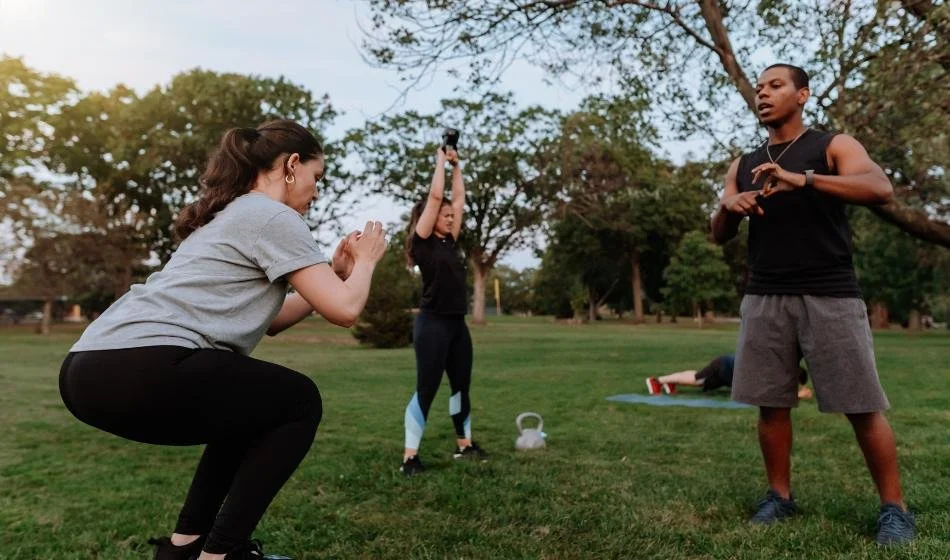
Starting functional strength training is simpler than you might think. Begin with the foundational bodyweight exercises that you can do anywhere - no gym membership required. Focus on mastering the basic movement patterns like squats, lunges, horizontal rows and push-ups before adding resistance or exercises that require equipment. Here's a step-by-step approach to building your foundation:
Start with basic movements
Focus on the basic exercises and movement patterns: Begin with the fundamental exercises like bodyweight squats, lunges, push-ups, and planks. These movements will help you form the foundation for functional strength training. Once you’ve mastered the basics of functional strength training, exploring 5 training methods to take your fitness to the next level can help you continue to improve and reach new fitness heights.
Proper form is key: Prioritize learning each exercise with the correct form to prevent injuries and maximize the benefits. Consider starting with bodyweight exercises before progressing to heavier weights.
Examples of basic functional exercises
Squats: Mimic the motion of sitting down and standing up. This exercise targets the legs, glutes, and core. It’s progressive and there’s a variation to suit all fitness levels and abilities.
Lunges: Improve balance and coordination unilaterally while strengthening the legs and glutes. Much like squats, lunges are progressive and there’s a variation to suit all fitness levels and abilities.
Push-ups: The king of basic upper-body exercises. Push-ups are great for developing push strength in the shoulders, chest, and triceps whilst enhancing core stability.
Planks: This simple isometric exercise strengthens the core, shoulders and arms whilst improving overall stability and endurance.
Progress your workouts with simple equipment
Resistance bands: Once you’ve mastered the bodyweight exercises, you can begin to increase the resistance and intensity with some simple equipment. Adding resistance bands to your routine will increase the intensity of your workouts and allow you to target different muscle groups.
Dumbbells and kettlebells: Much like resistance bands, Incorporating free weights into your workouts will allow you to gradually increase resistance, add variety and challenge your muscles over time.
You can find effective tools that fit your budget, as outlined in our guide to the best home exercise equipment for $100 or Less.
Combining with other workouts
Integrating functional training: Combine functional strength training with other forms of exercise, such as cardio and flexibility training, for a more well-rounded fitness regimen and additional health benefits.
Variety is key: Make sure to mix up your routine every 8-12 weeks. By doing so you’ll keep your body challenged which helps prevent stagnation and boredom.
Balancing functional and traditional strength training
Best of both worlds: Incorporate both functional and traditional strength training to achieve a well-balanced approach. This ensures you build overall strength, function and aesthetics.
Prevent injury with correct form
Preventing injuries: Prioritise correct form to avoid injuries and ensure that you’re targeting the right muscles. Proper technique will help you get the most out of each exercise.
Tips for maintaining correct form
Start slow: Begin with lighter weights or bodyweight exercises to allow you to focus on form.
Seek guidance: Consider working with a personal trainer, even if just for a few sessions. A good trainer can not only help you master technique but can also give you guidance on progression. Learn more about the benefits of personalized training in our blog on the power of hiring a personal trainer.
Listen to your body: Pay attention to how your body feels during exercises and adjust as needed. Not every exercise is suitable for everyone.
Empathy for beginners
Common fears: It’s normal to feel intimidated by the gym or worried about starting a new routine. Remember, everyone starts somewhere and hopefully there’s a collective energy with your fellow gym-goers. If you aren’t comfortable going to the gym, start at home until you feel confident enough to train in front of others.
Overcoming challenges: Focus on small, achievable goals and celebrate your progress, no matter how minor it may seem.
Encouragement and tips
Stay consistent: Consistency is key. Even if progress feels slow, sticking with your routine will yield big results over time. One workout per week for the next year is far more beneficial than 3 per week for 3 months and then nothing at all.
Find a support system: Working out with a friend or joining a fitness community can provide motivation and accountability. If you aren’t sure where to start, consider working with a personal trainer to help you get started with your new fitness program.
Fun fact
Did you know that with just 15 minutes of strength training, you can boost your metabolism, confidence and energy levels for the entire day? So, even on busy days, a quick workout can make a big difference. Sign Up Now!
Why choose Ebylife for functional training in Barcelona?
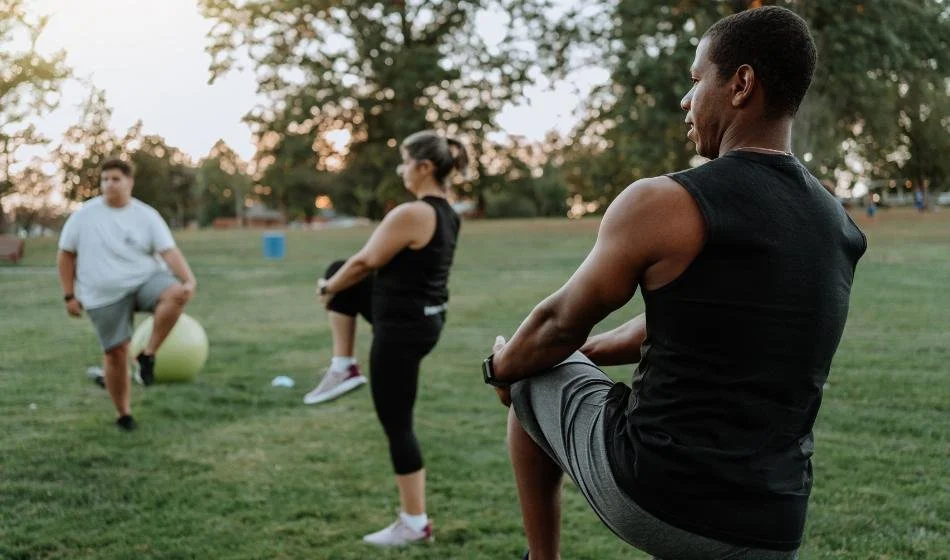
Ebylife offers fully personalised functional strength training in Barcelona, combining expert coaching and flexible training locations. Whether you're an expat seeking English-speaking guidance or a local looking to transform your fitness, our approach focuses on your individual goals, movement quality, and long-term results.
Personalized workout plans
We create custom workout plans tailored to your unique needs, goals, and fitness level. Whether you’re a beginner or an experienced athlete, our plans are designed to challenge you and help you progress safely. Our programs cover a wide range of objectives, from enhancing daily functionality to preparing for specific sports or activities.
Expert guidance
Our experienced trainers provide professional support, ensuring you perform exercises correctly and efficiently. They help boost your motivation and keep you accountable, acting as your biggest fan and support system.
Outdoor functional strength training in Barcelona
Barcelona’s beautiful environment offers a unique backdrop for outdoor workouts. From the beaches to the parks, training in these scenic locations makes your workouts more enjoyable and refreshing. We often incorporate elements of the city’s landscape, like stair climbs at Montjuïc or resistance training on the beach, keeping workouts exciting and leveraging the natural benefits of outdoor exercise.
English-speaking personal trainers in Barcelona
For expatriates and international clients, having an English-speaking trainer ensures clear communication and understanding, which is vital for effective instruction and building a comfortable trainer-client relationship. Our trainers are culturally sensitive and adaptable, making it easier for clients from different backgrounds to integrate into our training environment.
If you're unsure how to choose a trainer that fits your needs, check out our guide on How to choose the right personal trainer for you.
Client testimonials
Jane, an expat from the UK, says, “Training with Ebylife has been an absolute game-changer for me. Their ability to communicate instructions and set a clear progressive training program made all the difference in my progress.”
John, an international student, adds, “I love how the workouts incorporate Barcelona’s beautiful outdoor spaces. It makes exercising feel like less of a chore and more of an adventure!”
Frequently asked questions about functional strength training
Q1: Is functional strength training good for beginners?
Yes, functional strength training is excellent for beginners because it uses natural movement patterns that your body is already familiar with - squatting, pushing, pulling, lunging, etc. Start with the basic bodyweight exercises to master proper form before adding resistance. Most beginners see noticeable improvements in their strength and mobility in as little as 4 weeks of consistent training.
Q2: How many times per week should I do functional training?
For optimal results, we suggest 3 functional training sessions per week with at least one rest day between sessions. Beginners should start with 1-2 sessions to allow adequate recovery, while those with more experience can generally handle more. Each workout typically lasts between 30-50 minutes, including a quick warm-up and optional cool-down.
Q3: What equipment do I need for functional strength training?
You can start functional training with no equipment at all. Bodyweight exercises like squats, lunges, and push-ups are highly effective when done right. As you progress, consider adding external resistance with bands, kettlebells, dumbbells, etc. A TRX suspension trainer is another excellent tool and opens up a variety of new exercises.
Q4: Can functional training help with weight loss?
Functional training can be highly effective for weight loss because compound movements burn more calories than isolation exercises. By engaging multiple muscle groups simultaneously, you increase your metabolic rate during and after workouts. When combined with proper nutrition, functional training supports sustainable fat loss while building lean muscle mass.
Q5: What is the best functional exercise for core strength?
While there are a few, the plank is generally considered one of the best functional core exercises because it engages your entire core. For progression, try dynamic variations like walking plank, mountain climbers, and side planks dips. Dead bugs and bird dogs are also excellent for building functional core stability and preventing lower back pain.
Q6: Is functional strength training better than traditional strength training?
Neither is inherently “better” - it depends on your goals. Functional training excels at improving daily movement quality, athletic performance, and injury prevention. Traditional strength training is more effective for building maximum muscle size and strength. We generally recommend combining both approaches for a more well-rounded program.
Q7: How long does it take to see results from functional training?
Most people typically notice improved energy and movement quality in as little as 2-3 weeks. Visible strength gains typically appear after 4-6 weeks of consistent training. When combined with good nutrition and a calorie deficit, body composition changes can be seen within 4-6 weeks. The key is always consistency. Training 2-3 times per week yields far greater results than sporadic bouts of sessions.
Q8: Is functional training safe for older adults?
Functional training is especially beneficial for older adults because it directly improves balance, mobility, and the ability to perform daily activities safely. Research shows it reduces fall risk and helps maintain independence. Start with bodyweight exercises and progress gradually, ideally under the guidance of a qualified personal trainer.
Conclusion
Functional strength training offers a practical, results-driven approach to fitness that translates directly into everyday life. Whether you're looking to move better and feel great, prevent injuries or build functional strength, this training method delivers benefits that extend far beyond the gym.
Ready to experience the benefits of functional strength training in Barcelona? Contact us today to start your personalised training program with an English-speaking personal trainer who understands your goals.