
Post workout nutrition for big results
Written by Martin Ebner
Updated October 2026

Post-workout nutrition has been turned into an emergency. Finish the final rep, sprint to the changing room and get a protein shake down before the anabolic window slams shut. Miss it and apparently the entire workout was a waste of time.
That makes good marketing, but the human body isn’t that fragile.
What you eat after training still matters. Protein supports muscle repair and growth, carbohydrate helps replace the fuel you’ve used, and fluid replaces what you’ve sweated out. The part that changes is how urgently you need it.
If you’ve trained before breakfast, haven’t eaten for several hours or need to perform again later that day, eating soon afterwards makes sense. If you had a decent meal before training and won’t be exercising again until tomorrow, there’s no need to neck a shake before you’ve left the gym.
WHAT POST-WORKOUT NUTRITION NEEDS TO DO
Training gives your body a reason to adapt. Food provides the raw materials.
After resistance training, protein helps support the repair and development of muscle tissue. Carbohydrate restores muscle glycogen, which is the stored fuel used during harder training. Fluid and sodium help replace what you’ve lost through sweat.
The balance between them depends on what you’ve done. A tough leg session, a long run and a thirty-minute upper-body workout don’t create identical demands, so they don’t require identical meals.
This is also only one part of the recovery process. Sleep, your total food intake and the way your program is structured matter just as much. If those need attention, my guide to recovering faster after exercise covers the bigger picture.
THE ANABOLIC WINDOW ISN’T A PANIC ALARM
There is a useful period after training in which protein and carbohydrate can support recovery, but it isn’t a thirty-minute trapdoor.
If you ate a protein-rich meal a couple of hours before training, amino acids from that meal will still be available afterwards. Having your next proper meal within a few hours is perfectly reasonable.
If you trained fasted, your last meal was many hours ago or you simply know dinner is still a long way off, eating sooner becomes more useful. The same applies when you have another demanding session later that day.
The goal is sensible timing, not a race against a stopwatch. I’ve covered the subject in more detail in How to time protein intake for optimal strength gains.
START WITH ENOUGH PROTEIN
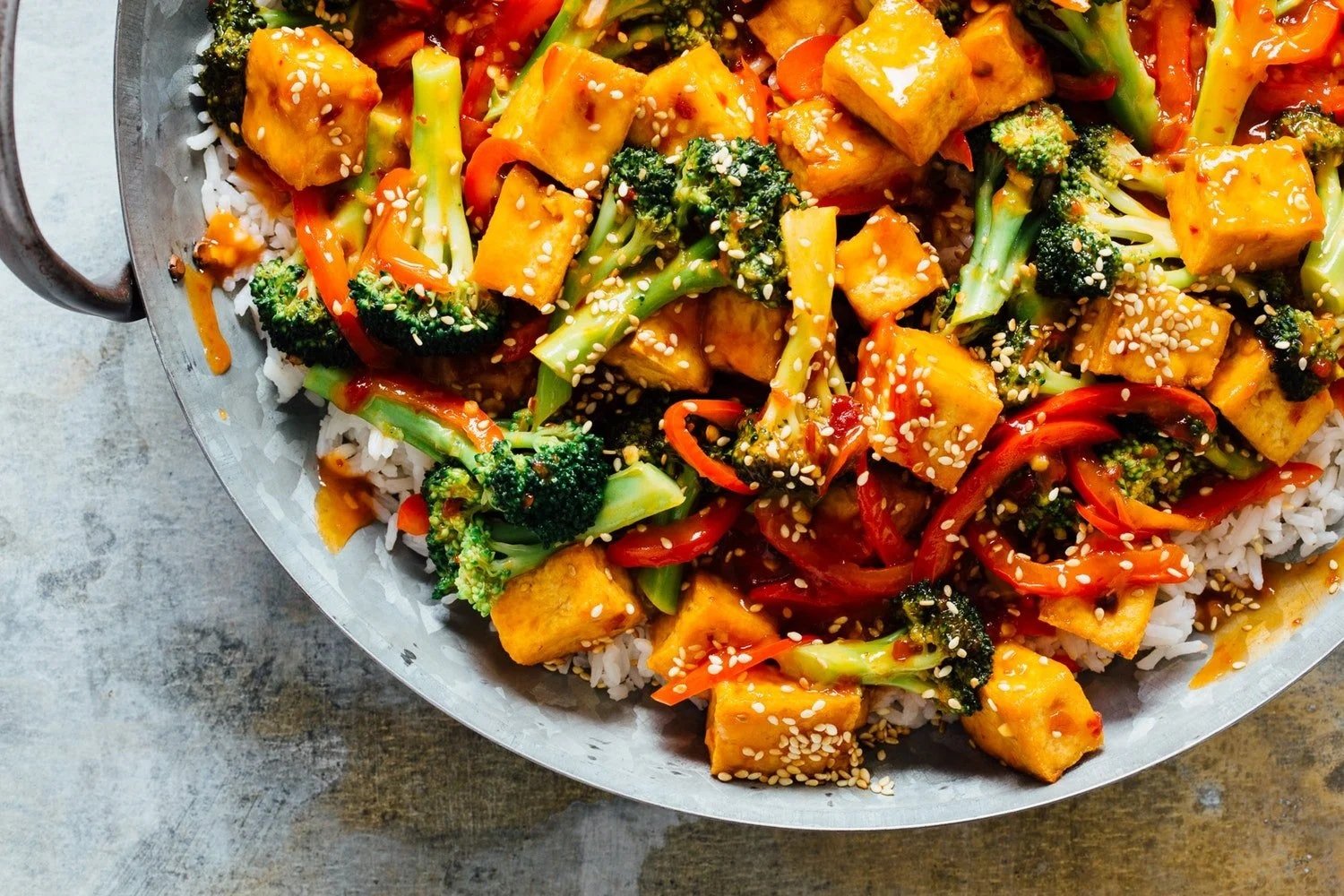
For most adults, somewhere around 20 to 40 grams of good-quality protein is a sensible post-workout target.
In one resistance-training study, 20 grams of egg protein maximised the acute muscle protein synthesis response after a leg workout. Another study found that 40 grams of whey produced a greater response than 20 grams after a demanding whole-body session.
That doesn’t mean everyone needs exactly 20 grams or exactly 40. Your size, age, overall diet and the amount of muscle you trained all matter. A smaller person after a modest session may sit comfortably near the lower end. A larger person, an older adult or somebody finishing a brutal full-body workout may prefer the upper end.
Chicken, fish, eggs, dairy, lean meat, soy and combinations of plant proteins can all do the job. A shake is useful when time or appetite makes food inconvenient, but it isn’t more virtuous than lunch.
Your total daily protein still matters more than creating one supposedly perfect meal. If you’re unsure where the rest of it should come from, read Protein for fitness goals: how much do you need?
CARBS DEPEND ON THE WORKOUT AND WHAT COMES NEXT
The old version of this article prescribed a fixed two-to-one ratio of carbohydrate to protein. That’s far too neat for real life.
Carbohydrate doesn’t magically switch muscle growth on. In a controlled trial, adding carbohydrate to an adequate protein dose didn’t further increase post-exercise muscle protein accretion. That doesn’t make carbs useless. Their main job here is restoring glycogen and helping prepare you for whatever comes next.
After an ordinary strength session, a normal serving of bread, rice, potatoes, oats, pasta or fruit will usually be plenty. The exact amount can fit your appetite, goals and total daily food intake.
Carbohydrate becomes more urgent after long endurance training, very high-volume sessions or when you’re training twice in one day. Research has shown that delaying carbohydrate after glycogen-depleting exercise slows the early rate of glycogen restoration. That matters to an athlete with another session in four hours. It matters far less to somebody lifting again on Thursday.
FAT DOESN’T NEED TO LEAVE THE ROOM
You don’t need to strip every gram of fat from your post-workout meal.
Fat can slow digestion, but slower digestion doesn’t mean recovery has failed. A normal mixed meal containing protein, carbohydrate and some fat is perfectly suitable for most people. A small study even found that whole milk supported a strong net muscle protein response after resistance training.
If you need rapid refuelling before another session, a very large or fatty meal may feel uncomfortable and delay how quickly you can eat again. Otherwise, there’s no prize for removing the avocado, olive oil or egg yolks from your plate.
DON’T FORGET THE BORING BIT
A beautiful protein bowl won’t replace the fluid you left on the gym floor.
Water is enough after most normal workouts. Longer sessions, heavy sweating and training in Barcelona’s summer heat may also justify some sodium and other electrolytes. You don’t need to turn hydration into chemistry homework. Drink, have something salty with the meal if you’ve sweated heavily, and pay attention to how you feel.
FIVE POST-WORKOUT MEALS YOU’LL MAKE MORE THAN ONCE
The best recovery meal isn’t the one with the most impressive macro breakdown. It’s the one that suits your goals, contains enough protein and is easy enough to make again.
BANANA, COCONUT AND SPINACH SMOOTHIE
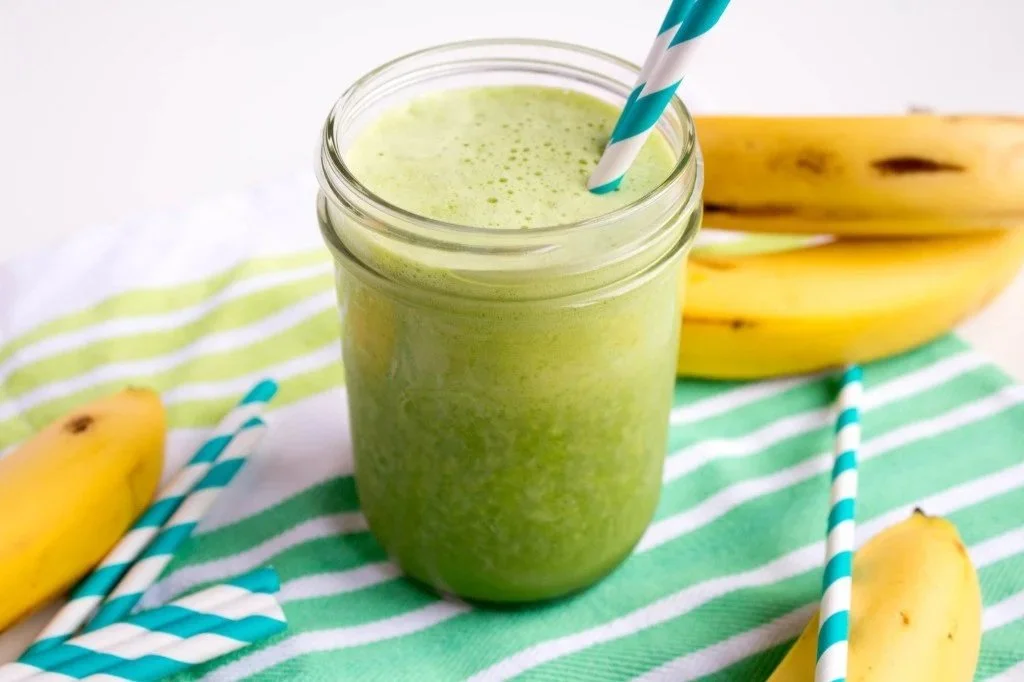
Blend a banana, a handful of spinach, soy or dairy milk, coconut water, chia seeds and a scoop of protein powder.
The banana and liquid provide carbohydrate, while the milk and protein powder take care of the protein. If the session was particularly demanding, oats or a little honey can bring the carbohydrate up without turning the drink into a bucket of sugar.
It’s quick, easy to digest and useful when solid food is the last thing you fancy.
BANGING BLT
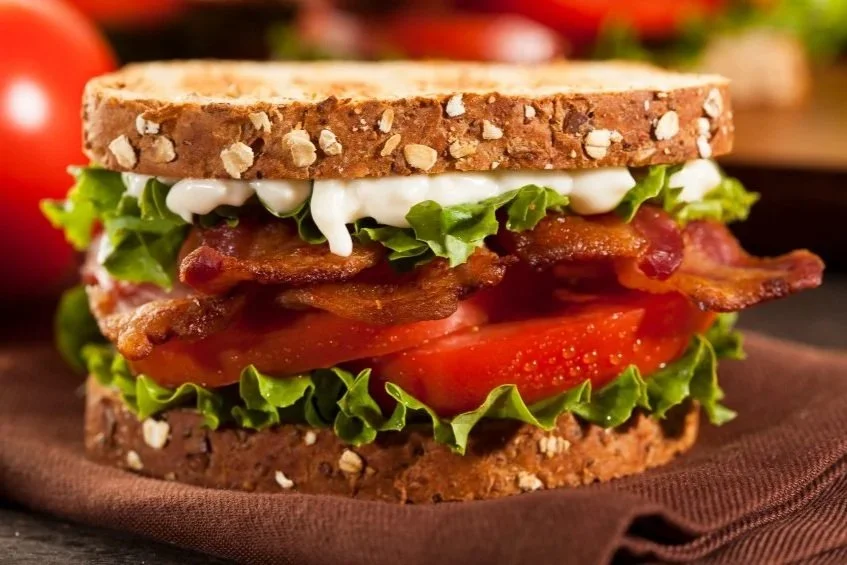
Bacon isn’t a superfood, nor is it nutritional vandalism. It’s bacon. Use decent bread, grilled bacon, plenty of tomato and lettuce, then add whatever sauce you enjoy. If the sandwich alone doesn’t provide enough protein for you, have it with some Greek yogurt, a glass of milk or a couple of eggs.
I’m not giving you a six-step tutorial on assembling a sandwich. You can handle that.
TUNA, CUCUMBER AND ROCKET BAGEL

Mix a tin of tuna with chopped cucumber, tomato, spring onion and a little mayonnaise. Load it into a bagel and finish it with a handful of rocket.
You’ve got protein from the tuna, carbohydrate from the bagel and enough crunch to make it feel like lunch rather than recovery medicine. It also travels well if you prepare it before training.
OVERNIGHT OATS
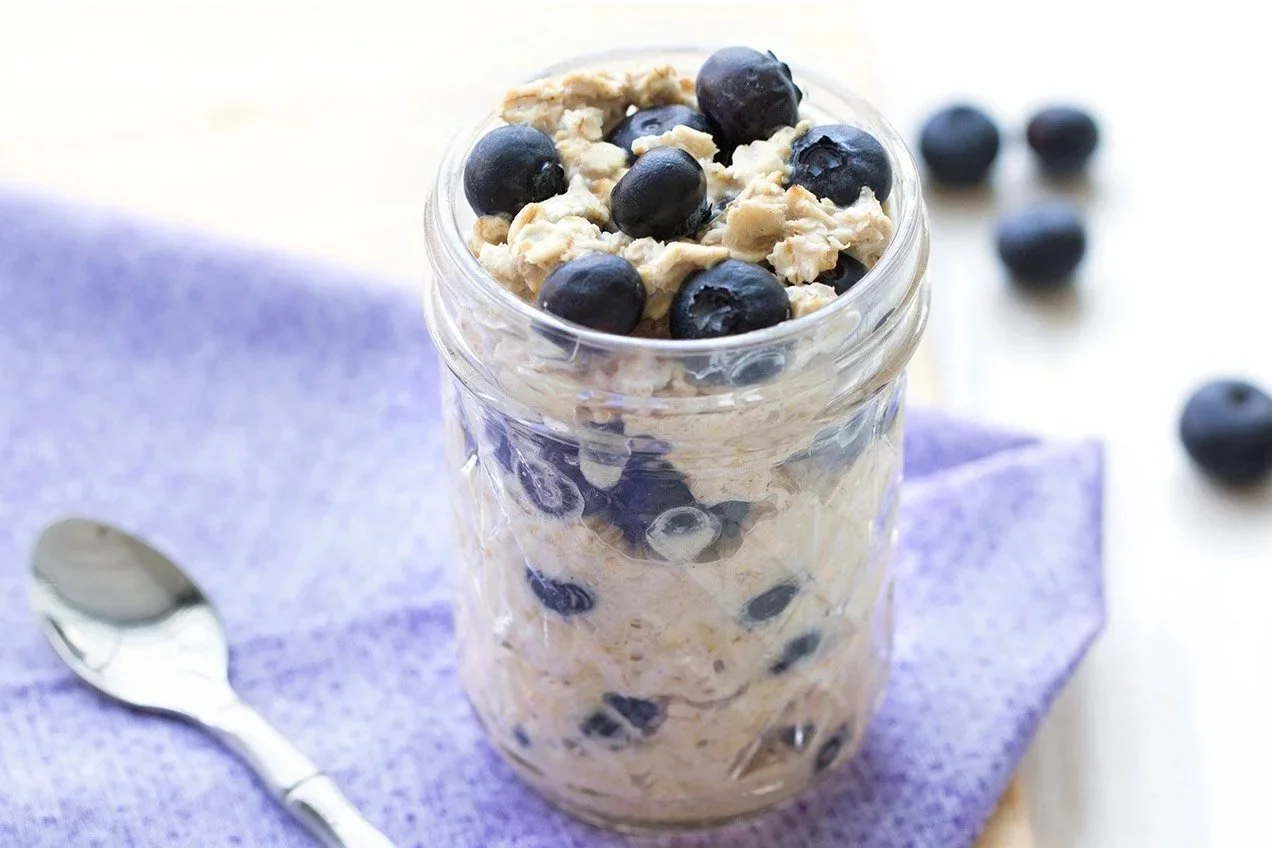
Mix oats, milk, Greek yogurt, chia seeds, berries and a little honey in a jar, then leave it in the fridge overnight.
Protein powder can be added if your yogurt and milk don’t provide enough protein on their own. This works particularly well after morning training because the entire meal is waiting before you’ve found an excuse to buy a pastry.
PROTEIN SHAKE AND FRUIT

A protein shake isn’t a meal replacement, but it’s a very useful bridge when proper food is still an hour or two away.
Have a scoop of protein with milk or water and add a banana, berries or another piece of fruit. It gives you protein and carbohydrate quickly without pretending that drinking powder from a plastic bottle is the height of nutrition.
If you use protein powder regularly, my guide to protein powders for muscle growth explains what’s worth looking for.
MATCH THE MEAL TO YOUR GOAL
IF YOU’RE TRYING TO LOSE FAT
You still need protein after training. What you don’t need is a 900-calorie recovery shake for a workout that burned a fraction of that.
Build the meal around protein, include enough carbohydrate to support your training and keep the total amount of food consistent with your calorie target. Fat loss comes from the wider energy deficit, not from avoiding food after the gym.
IF YOU’RE TRYING TO BUILD MUSCLE
The meal can be larger because you’re trying to support training and maintain a calorie surplus. Protein remains important, but carbohydrate and total calories help you train hard enough to give that protein something useful to do.
You don’t need to eat everything within sight. A controlled surplus followed consistently will beat the occasional post-workout feeding frenzy.
IF YOU’RE TRAINING AGAIN SOON
This is where timing matters most.
Protein, carbohydrate and fluid should arrive sooner, and the meal needs to be easy to digest. A shake, fruit, yogurt, rice, bread or another familiar carbohydrate source may work better than a huge meal that leaves you lying on the sofa questioning every decision you’ve made.
EAT, RECOVER AND GET ON WITH YOUR DAY
Post-workout nutrition matters, but it doesn’t need to dominate your life.
Get enough protein, add carbohydrate according to the work you’ve done, replace the fluid you’ve lost and choose food you’ll happily eat again. The perfect meal won’t rescue a poor program, and one delayed lunch won’t destroy your progress.
If you’ve ever raced towards a protein shaker because somebody told you the anabolic window was closing, Check It Oot is where I separate useful fitness advice from the mythology that refuses to die. One email once or twice a month, written by me and delivered straight to your inbox.