
Written by Martin Ebner
Updated Sept 2026
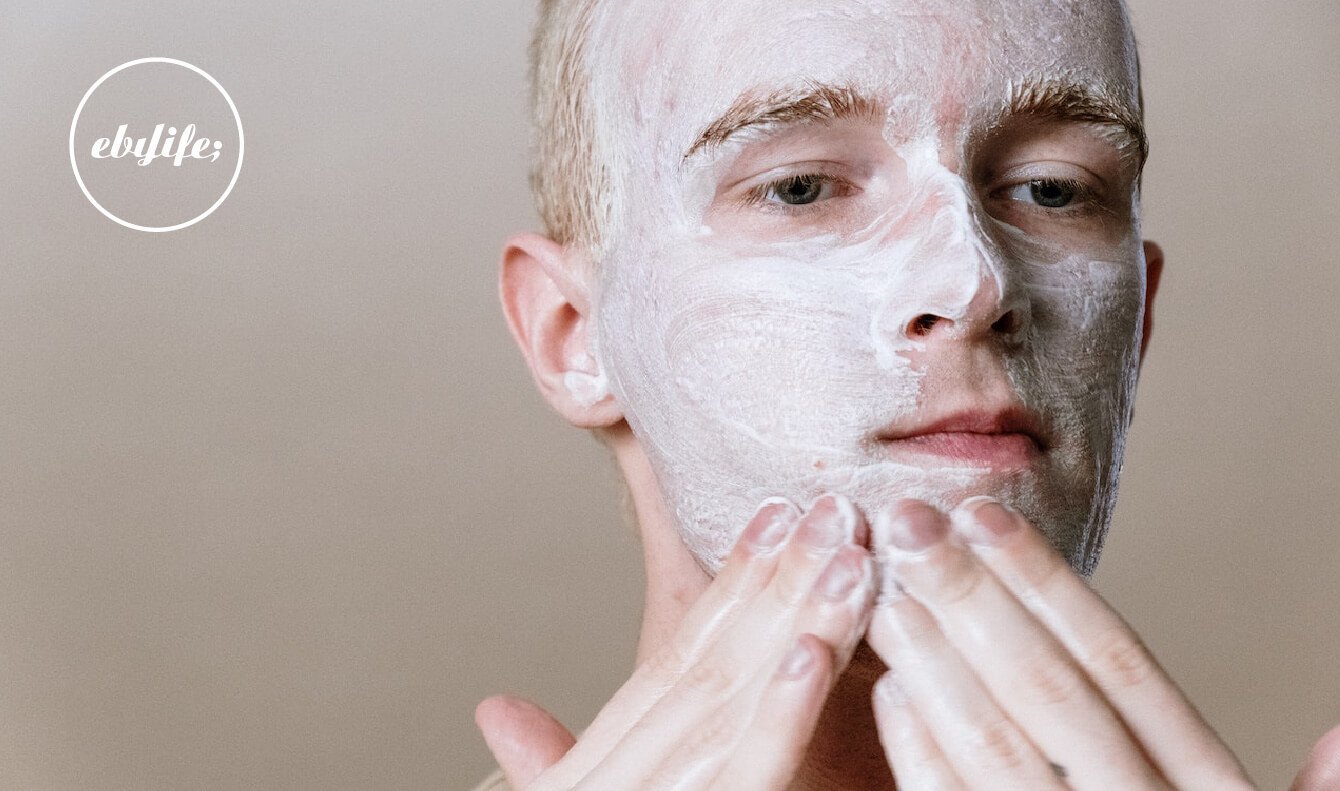
Men’s skincare is a brilliant example of an industry making something simple look complicated. You don’t need a twelve-step routine, a bathroom full of tiny bottles or a cream that claims to reverse ten years by Tuesday.
You do need to protect your skin, clean it without attacking it and be realistic about what any product can achieve.
I live in Barcelona, spend plenty of time outdoors and train most days, so looking after my skin isn’t purely cosmetic. Sun, sweat and age all leave their mark. I’m not trying to look 22 again, but I’d quite like my face to age well.
Here’s what genuinely deserves your attention.
SUNSCREEN DOES MOST OF THE HEAVY LIFTING
If you only make one change, make it this one.
Ultraviolet radiation contributes to wrinkles, uneven pigmentation, loss of elasticity and, more importantly, skin cancer. A long-term randomised trial found that people assigned to daily sunscreen use showed 24% less measured skin ageing than those who used it whenever they felt like it.
Use a broad-spectrum, water-resistant sunscreen with at least SPF 30 on exposed skin. If you’re spending hours outside, sweating heavily or enjoying the full force of a Barcelona summer, SPF 50 is a sensible choice.
Reapply it after swimming or heavy sweating and roughly every two hours when you’re staying outside. A hat, sunglasses and a bit of shade also count. Sunscreen isn’t a magic shield that makes unlimited sun exposure harmless.
KEEP YOUR ROUTINE BORING ENOUGH TO FOLLOW
Your skin doesn’t care how impressive your bathroom shelf looks. Consistency matters far more than collecting products.
In the morning, wash your face with lukewarm water or a mild cleanser, use moisturiser if your skin needs it, then apply sunscreen. In the evening, clean your face properly and moisturise again.
Wash after training rather than leaving sweat sitting on your skin for the rest of the day. Don’t scrub your face as though you’re removing paint from a wall. Harsh soaps, very hot water and aggressive exfoliation can irritate your skin and make the whole situation worse.
The right products depend on whether your skin is dry, oily, sensitive or prone to acne. The American Academy of Dermatology’s advice for men is refreshingly straightforward: use a mild cleanser, choose products suited to your skin and protect it from the sun.
RETINOIDS HAVE BETTER EVIDENCE THAN MOST
Retinoids are derived from vitamin A and include retinol, which you’ll find in plenty of skincare products, and stronger prescription treatments such as tretinoin.
They can improve fine lines, pigmentation and skin texture, but more isn’t better. Retinoids can cause dryness, redness and irritation, particularly when you first introduce them. Start with a mild product a couple of evenings a week, follow its instructions and increase gradually if your skin tolerates it.
Use retinoids at night and take sun protection seriously during the day. If you already have very dry, inflamed or sensitive skin, speak to a dermatologist before jumping in. The evidence is considerably better than it is for most fashionable ingredients, but that doesn’t make them suitable for everybody. Both the American Academy of Dermatology and a systematic review of topical tretinoin support their use for photoaged skin.
WHAT ABOUT HYALURONIC ACID, VITAMIN C AND EVERYTHING ELSE?
Hyaluronic acid helps the skin hold water. That can make dry skin feel better and look temporarily plumper, but it won’t rebuild your face or permanently remove deep wrinkles.
Vitamin C can be useful for uneven pigmentation and as part of a well-formulated routine, although products vary enormously in strength and stability. It’s an optional extra, not a replacement for sunscreen.
The same rule applies to most skincare ingredients. Introduce one product at a time and give it a fair chance. If you throw six new products at your face and it reacts badly, you won’t know which one caused the problem.
I use Liomen because I prefer one practical product to a shelf full of them. That doesn’t make it miraculous, and I wouldn’t pretend any cream can stop ageing. I’ve reviewed Liomen separately, including what I liked and where its limitations sit.
CAN COLLAGEN SUPPLEMENTS HELP YOUR SKIN?
Collagen is an important structural protein in your skin, and your body’s collagen production changes as you age. That part isn’t controversial. Whether drinking or swallowing collagen produces a meaningful visible improvement is less certain.
Earlier trials and meta-analyses reported improvements in skin hydration and elasticity after taking hydrolysed collagen. However, the research has some serious limitations. Many studies are small, use different products and are funded by companies with a commercial interest in the result.
A more recent 2025 systematic review and meta-analysis found that the apparent benefits disappeared when the researchers looked at higher-quality studies and studies without pharmaceutical-company funding.
My verdict is simple. Collagen supplements might produce a modest benefit, but the evidence isn’t strong enough to make them a foundation of your skincare routine. If you enjoy taking one, can comfortably afford it and understand that the result may be minimal, fair enough. I wouldn’t prioritise it ahead of sunscreen, a decent moisturiser, sufficient protein and an otherwise balanced diet.
That conclusion relates specifically to skin ageing. Claims involving joints, tendons or other conditions need to be judged separately.
YOUR LIFESTYLE STILL SHOWS UP ON YOUR FACE
No skincare routine can completely cover for smoking, repeated sunburn, poor sleep and years of treating your body badly.
Smoking accelerates visible skin ageing. Regular tanning does too. If you drink heavily, sleep badly and rarely eat anything resembling a vegetable, an expensive serum has been given a fairly brutal assignment.
Exercise, decent sleep, a varied diet and normal hydration support your general health and will often help you look healthier. They’re still not wrinkle treatments. Drinking another three litres of water won’t iron your forehead, and one sweaty workout doesn’t trigger a miraculous burst of facial collagen.
The same broader habits that help your skin will help you maintain your health and body composition. I’ve covered those properly in How to stay lean as you age.
KNOW WHEN A CREAM ISN’T THE ANSWER
Persistent acne, severe irritation, unexplained rashes and skin that repeatedly cracks or bleeds deserve professional attention.
The same applies to a mole or mark that changes shape, size or colour, or a sore that doesn’t heal. Don’t diagnose it through a blog article and don’t try to bury it under another product. See a qualified dermatologist.
HEALTHY SKIN BEATS A PROMISE TO LOOK TEN YEARS YOUNGER
You’re going to age. That isn’t a skincare failure.
The sensible target is healthier skin that ages well, not a permanently frozen version of your younger face. Protect it from the sun, clean it gently, moisturise when it needs it and consider a retinoid if your skin can tolerate one.
Everything after that is optional.