Written by Martin Ebner,
Last updated October 2026
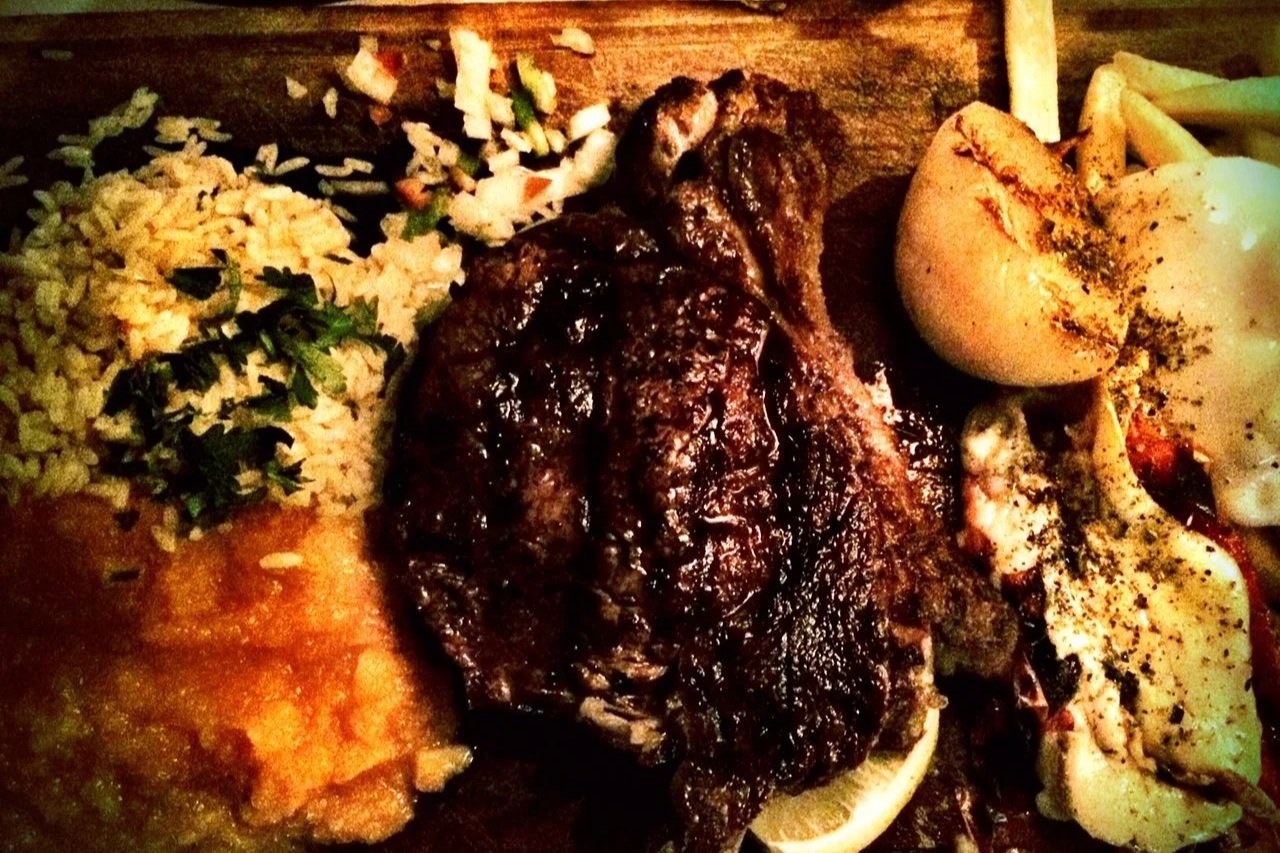
An Argentine asado isn’t simply a barbecue. Calling it one is technically correct, in the same way that calling a wedding a catered lunch is technically correct. You’ve described the food while missing almost everything that matters.
I lived in Argentina for seven years and loved asados. Some of the best meals of my life were spent around them. There was meat, obviously, but there was also the fire, the wine, the company and the wonderfully slow process of turning lunch into an entire afternoon.
I also ate what can only be described as a heroic amount of beef while I lived there, and it was where I was at my leanest. No, that doesn’t mean steak burns body fat. I trained hard, walked everywhere and my overall diet still mattered. It does make it difficult for me to accept the idea that red meat automatically ruins your health or your waistline.
I live and coach in Barcelona now, so asados aren’t a regular part of my life unless I’m cooking them myself. Thanks to Argentina, I know how to do that properly.
AN ASADO IS MORE THAN A BARBECUE
A proper asado takes time. The fire is prepared, the coals settle, the meat goes on gradually and nobody appears to be in any great hurry.
One man is officially responsible for cooking. Every other man within ten metres will eventually share his professional opinion on the heat, the height of the grill, when the meat should be turned and whether the asador has made a catastrophic error with the salt. The asador will listen politely and then continue doing whatever he intended to do in the first place.
That’s all part of it.
There’s usually beer or wine while everyone waits. I don’t drink anymore, but I loved both when I lived there. A cold beer or a glass of Malbec made perfect sense when lunch was going to take most of the afternoon.
Nothing is rushed. The meal isn’t something squeezed between two appointments. It’s the appointment.
SO, IS ARGENTINE ASADO HEALTHY?
Yes. Or at least it can be.
Beef gives you complete protein alongside iron, zinc and vitamin B12. Those are genuinely useful nutrients, particularly for people who train, although you certainly don’t need to eat meat to be healthy.
If you’re interested in the protein side rather than the cultural one, my guide to how much protein you need for your fitness goals explains it properly.
An asado can also become an enormous meal involving several cuts of beef, sausages, cheese, bread and enough wine to make the following morning rather less enjoyable.
One enormous lunch isn’t a health plan. It isn’t a health disaster either. Your health is shaped by what you repeatedly do, not by one brilliant afternoon involving an unreasonable quantity of meat.
I currently eat red meat two to four times a month. That isn’t because I’ve fallen out of love with it. It simply doesn’t sit as comfortably as it used to. I still think it’s great food. I just eat less of it now.
RED MEAT AND PROCESSED MEAT AREN’T THE SAME
The internet likes a clean verdict. Meat is either essential or it’s killing you. The evidence isn’t that tidy.
A fresh steak, a cured sausage and somebody’s entire diet shouldn’t be treated as the same thing.
A major systematic review of unprocessed red meat found only weak evidence linking it with several major health problems. Other large observational studies have found associations between higher intakes and increased health risks, but an association doesn’t prove that the meat caused them.
Processed meat deserves more caution. The World Health Organization’s review of red and processed meat concluded that the evidence linking processed meat with colorectal cancer is considerably stronger than it is for fresh red meat.
The classification sounds terrifying until you understand what it means. It describes how confident researchers are that something can cause cancer. It doesn’t mean a slice of chorizo carries the same level of danger as smoking.
Chorizo and morcilla are processed meats. That’s slightly inconvenient because they’re also magnificent. I wouldn’t pretend they’re health foods, but I’m not going to panic about eating them at an occasional asado either.
MY ASADO HALL OF FAME
BIFE DE CHORIZO
Bife de chorizo is a thick strip steak with a good layer of fat running down one side. When the fat has softened and the meat is still juicy, it’s difficult to beat.
It was always one of my favourites. It still is.
ENTRAÑA
Entraña is skirt steak. It’s thin, deeply beefy and wonderful when it’s still juicy with a bit of char around the edges.
Cook it for too long and you’ve made yourself some expensive chewing gum. Get it right and it may be the first plate to disappear.
MORCILLA
Morcilla is blood sausage, which is either enough information to make you immediately interested or enough to make you put it straight back down.
I love it. It’s rich, soft and full of flavour, although a small portion is normally enough. It also contains protein and iron, but I’m not going to insult either of us by pretending that’s why I eat it.
CHORIPÁN
Choripán is chorizo in bread, usually finished with a generous spoonful of chimichurri. It’s simple, messy and very difficult to refuse.
A good choripán with chimi is one of the finest things you can be handed while waiting for the main cuts to arrive. Its only problem is that it appears when you’re hungry enough to forget how much more food is coming.
THE FIRE MATTERS
Cooking meat over fire gives an asado much of its flavour. It can also produce compounds called heterocyclic amines and polycyclic aromatic hydrocarbons when meat is exposed to very high temperatures, flames and smoke.
The National Cancer Institute’s guidance on high-temperature cooking explains that these compounds can damage DNA in laboratory studies. Research hasn’t established exactly how much the occasional barbecued meal changes cancer risk in humans.
There’s no need to stare at the grill as though it’s trying to kill you. There’s also no nutritional prize for burning the meat until it resembles something recovered from a house fire.
A little char is part of the pleasure. Completely black isn’t more authentic.
An experienced asador already knows how to manage the fire. He also has four other men explaining it to him, so I won’t add to the noise.
WHAT ABOUT THE REST OF THE PLATE?
The meat is the main event, but it isn’t the entire meal.
A sharp chimichurri cuts through the richness beautifully. Salads bring freshness and fibre. Potatoes, roasted vegetables and bread can all belong there too.
Then there’s provoleta, a thick round of provolone cooked until the outside browns and the middle turns molten. It’s wonderful. It’s also melted cheese, not a vegetable that happened to arrive before the steak.
You don’t need to sit in the corner with a virtuous little salad while everybody else enjoys themselves. You also don’t need to eat every cut twice because somebody has placed it in front of you.
Have the bread if you want it. Eat some salad. Choose the meat you genuinely love. Remember that the first sausage probably isn’t the last thing you’ll be offered.
WHAT IF YOU DON’T EAT MEAT?
A traditional Argentine asado revolves around meat, and vegetarianism wasn’t always a concept every Argentine immediately understood.
I witnessed versions of the same conversation several times:
“You don’t eat meat?”
“No.”
“Chicken?”
“No.”
“Pork?”
“No.”
Argentina is one of the few places where chicken has occasionally been treated as the vegetarian option. Nobody was trying to be difficult. They were genuinely attempting to solve the problem.
A meat-free asado can still include grilled vegetables, potatoes, salads, provoleta and plenty of chimichurri. It simply helps if the host knows that a vegetarian is coming before the third cow reaches the table.
HOW I’D EAT AN ASADO NOW
I wouldn’t arrive with a calorie calculator or spend the afternoon trying to turn the meal into something it isn’t.
I’d start with a choripán or some morcilla while the main cuts were cooking. I’d choose bife de chorizo or entraña, add plenty of chimichurri and have whatever salads and vegetables looked good.
I’d eat slowly because an asado gives you that luxury. There’s no need to behave as though every cut of meat is about to disappear forever.
I wouldn’t drink the beer or wine now, but I wouldn’t lecture anybody else about it either. I enjoyed both when I lived in Argentina. I’ve simply moved on from alcohol, not from understanding why other adults might enjoy it.
If a properly cooked lechón appeared, all sensible plans would be temporarily suspended.
THE ASADO WAS NEVER JUST THE MEAT
Argentines aren’t losing much sleep over the debate surrounding red meat. Suggest that they give it up for their health and plenty would rather take their chances.
After seven years there, I understand.
An asado is food, but it’s also hospitality, patience and company. It’s an afternoon around a fire with people who have nowhere more important to be. Some of the best meals of my life happened that way.
I eat considerably less meat now than I did then, but I haven’t lost any affection for it. A great asado is still one of my favourite ways to eat, and I’d rather enjoy one properly than spend the afternoon trying to make it nutritionally perfect.
If you like nutrition advice that leaves room for steak, chimichurri and the meals worth remembering, Check It Oot is where I write about food, training and health without draining the life out of any of them. One email once or twice a month, written by me, straight to your inbox.